Heat waves in the Riverbend arrive with little patience. Humidity climbs, thermostats fight thermostats, and a broken compressor or a clogged coil can turn a comfortable home into a sauna within a day. If you live in Wood River, you need more than hope and a window fan. You need practical steps, clear trade-offs, and a reliable local partner who can respond quickly. This piece walks through what I actually do and recommend when the mercury starts jumping, based on field experience, common failures I see every summer, and what homeowners here can realistically expect.
Why the urgency matters A failing air conditioner does more than make you sweat. High indoor temperatures can aggravate chronic illness, stress pets and plants, and damage electronics and woodwork. Repairing a unit under emergency conditions costs more and often forces quick decisions that sacrifice longer-term performance. Planning ahead smooths costs, shortens downtime, and helps you make repairs that last.
Common failure modes you will see in Wood River From years of service calls, certain problems recur. Refrigerant leaks are frequent in older systems. Compressor failures show up after a power surge or when systems run for weeks without a proper tune-up. Dirty evaporator and condenser coils reduce airflow and heat transfer, which can make the system freeze up on the evaporator side or overheat the condenser. Fan motors, capacitor issues, and clogged drain lines round out the typical list. Recognizing early symptoms saves money: uneven cooling, higher-than-usual electric bills, strange noises, or a musty smell from vents should trigger action.
What a seasonal check should include A seasonal inspection is not a glamour job, but it prevents emergencies. When I perform a pre-summer tune, I follow a sequence that catches most small problems before they escalate. I inspect visible wiring and terminals, measure refrigerant pressures, check for refrigerant leaks where accessible, test the capacitor and contactor, measure air temperature split across the evaporator, clean or replace filters, clear the condensate drain and trap, and clean the outdoor coil if needed. I also examine ductwork for obvious disconnections or major gaps. A good technician documents readings so you have a baseline for next year. Expect to pay a modest fee for this service, typically in the low hundreds depending on company and system complexity, but it often prevents a replacement-level failure later.
Simple repairs you can do safely Not every problem requires a truck roll. Replacing a dirty filter, clearing debris around the outdoor unit, and turning the thermostat’s fan mode to "auto" rather than "on" are homeowner fixes that make an immediate difference. For a washable filter, remove and rinse it, let it dry, and re-install. For disposable filters, replace monthly during heavy use. When clearing the outdoor unit, power it off at the breaker first. Cut back weeds, leaves, and an inch or two of clearance around the cabinet; good airflow reduces compressor stress and can extend life span by years.
When you should call a pro If you smell burning, hear loud grinding or banging, the system trips breakers repeatedly, or the unit will not run at all, call a qualified technician right away. Refrigerant handling requires EPA-certified technicians, and electrical repairs have serious safety and code implications. Calling early on a suspected refrigerant leak or electrical issue often keeps the fix to a single service call rather than multiple emergency dispatches.
Evaluating repair versus replacement Choosing between repair and replacement is a financial and practical judgement. As an experienced technician, I use a three-part rule of thumb. First, if the repair cost approaches 50 percent of the unit’s replacement cost and the unit is over 10 years old, replacement usually makes more sense. Second, if the system uses R-22 refrigerant, expect higher repair costs because R-22 is phased out and available only at premium prices. Third, consider energy efficiency: older equipment running at lower efficiency can cost hundreds more per year to operate. Balance upfront expense with expected annual savings. A new mid-efficiency system might cost more initially, but AC maintenance in Wood River IL a high-efficiency unit can reduce annual cooling bills by 20 percent or more depending on home envelope and usage.
Selecting an HVAC contractor in Wood River Not all contractors are equal. Look for technicians who are licensed, insured, and who provide written estimates that separate labor, parts, and any warranties. Ask how they size equipment; oversizing is a common problem that causes short cycling and humidity control issues. A proper load calculation, not a rule-of-thumb based on square footage, improves comfort and efficiency. Check local references, read recent reviews, and verify response times for emergency calls. For Wood River residents, companies like B & W Heating & Cooling are part of the local mix, and you should ask any prospective contractor how many units they handle in the area during heat waves, and whether they can provide emergency service agreements.
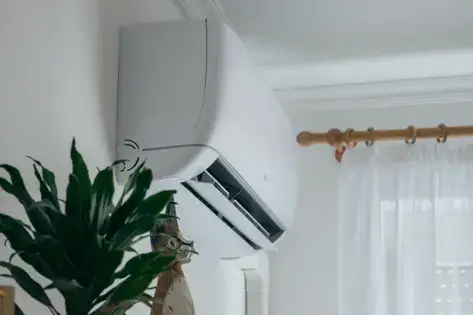
Preparing your home beyond the AC unit Good cooling starts with the building envelope. Seal obvious air leaks around windows and doors, add weatherstripping where it’s worn, and insulate accessible attic spaces if they are under-insulated. You can reduce peak cooling load with shading: planting deciduous trees to the west and south, installing awnings, or adding reflective window film. Ceiling fans improve comfort by adding perceived cooling, allowing you to set the thermostat a degree or two higher while sensing the same comfort. A programmable or smart thermostat, configured properly, can also shave costs by avoiding unnecessary cooling when the house is empty.
A short checklist to use before heat wave season
- schedule a professional AC maintenance visit and ask for refrigerant pressure readings and electrical safety checks replace or clean air filters monthly during peak usage, and keep the area around the outdoor unit clear of debris inspect ductwork for obvious gaps and seal accessible joints with mastic or metal-backed tape install a programmable thermostat and set conservative cooling schedules that reflect occupancy have contact information for an HVAC contractor in Wood River saved, including emergency service hours
Handling emergency failures during a heat wave When units fail on the hottest days, response time matters. If the technician you choose provides priority emergency service for existing customers, that is worth the cost for peace of mind. If your home must remain cool and you face a multi-day repair or replacement, consider targeted measures: cooling a single room with a temporary ductless mini-split makes sense for bedrooms or a nursery. Portable air conditioners and high-capacity fans help, but they are less efficient and may require dedicated circuits. If you rely on medications or have vulnerable people, contact local community cooling centers; the city often opens sites during extreme heat. When contractors quote timelines, ask about permit waits and parts lead times—these frequently extend expected completion during peak season.
Understanding common upsells and how to evaluate them Technicians will occasionally recommend coil cleaning, duct sealing, refrigerant top-off, or Browse around this site capacitor replacement. Coil cleaning is often worthwhile if coils are visibly dirty. Duct sealing is high value when ducts run through unconditioned spaces and you can document high leakage. Be wary when a technician insists on a full system replacement without documenting inefficiencies or major failures unless the unit is indeed old and costly to run. Ask for before and after measurements when a contractor proposes changes meant to improve efficiency. A trustworthy HVAC contractor in Wood River should provide measurable data, not only sales language.
Costs you should expect Repair costs vary widely. Simple fixes like capacitor or contactor replacement often run in the low hundreds. Motor replacements and compressor swaps can range into the thousands. Complete system replacement for a typical single-family home in this region often lands somewhere between mid five figures depending on system size, ductwork modifications, and chosen efficiency levels. These numbers feel large because they are. Spread the cost by prioritizing maintenance now, and consider financing through lenders or manufacturer financing programs if you need to replace a failing system unexpectedly.
How to verify work after a repair or installation After a repair, verify a few things before the technician leaves. Measure temperature drop across the evaporator coil; a typical split should produce a temperature difference of roughly 16 to 20 degrees Fahrenheit on a properly functioning system, though this varies with humidity and load. Ask the technician to show you refrigerant pressure readings if refrigerant work occurred. Confirm that condensate drains flow and that no leaks are present. For installations, get a full equipment list, efficiency ratings, and the startup checklist. Also ask about labor and compressor warranties and get them in writing.
Anecdote from the field I once showed up at a small bungalow on a July afternoon where the owners had called after the system stopped cooling. The outdoor unit was buried under two seasons of lawn clippings and a volunteer juniper bush had leaned against the condenser. The condenser fan was packed with debris. The fix took thirty minutes, a few dollars in new filters, and a half hour of clean-up. The owners were surprised how quickly normal cooling returned once airflow was restored. That call is a common reminder: not every crisis needs a major bill, but ignoring small signs makes the next problem much worse.
Balancing DIY and professional care I encourage homeowners to handle simple maintenance and to learn the basics, but respect the boundaries around refrigerants and electrical work. Save your DIY energy for filter changes, protecting the unit from landscape debris, and installing a smart thermostat. Call a licensed HVAC contractor in Wood River for diagnostics that involve sealed-system work or complicated electrical components. Certified technicians bring tools and experience that prevent repeated breakdowns.
Why local matters Local contractors know the climate, common installation mistakes in older homes, and typical load profiles. They also tend to respond faster during heat waves because they already service many nearby homes. Choosing a local firm that has positive reviews and a documented emergency plan benefits response times, warranty handling, and long-term service relationships. Companies like B & W Heating & Cooling can be part of that local network, and asking specific questions about their response times and proven track record helps you decide.
Final persuasion: act before the emergency A modest investment in maintenance and sensible upgrades buys comfort, lowers operating costs, and reduces the chance of emergency repairs during the worst days of summer. Heat waves are predictable; ignoring them is a choice that costs more in stress, health risks, and emergency bills. Put a pre-season inspection on your calendar, replace filters regularly, clear the outdoor unit, and have a trusted HVAC contractor in Wood River on speed dial. When the heat arrives, you will be glad you did.
B & W Heating & Cooling
3925 Blackburn Rd, Edwardsville, IL 62025
(618) 254-0645
[email protected]
Website: https://www.bwheatcool.com/